

Wicklow Bán
150g
€5,00
Sale price
€5,00
Regular price
Skip to product information


Ireland · Wicklow
Wicklow Bán
€5,00
Sale price
€5,00
Regular price
Pickup currently not available
Free delivery over €100
Chilled delivery
Choose your delivery date at checkout
Description
Wicklow Bán
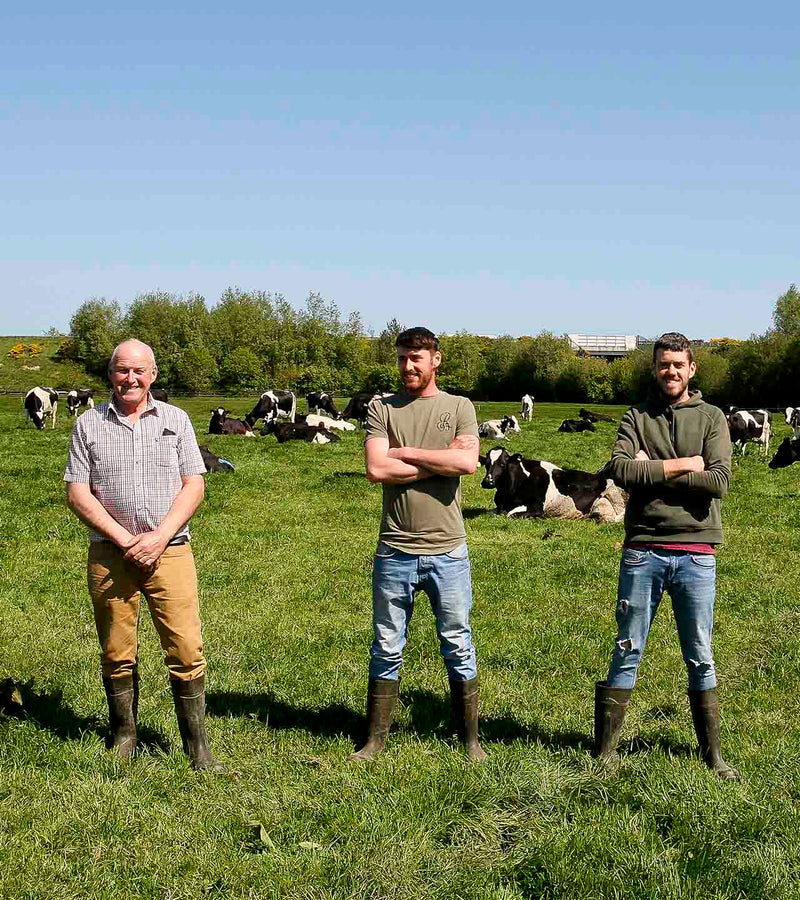
Wicklow Bán, is a double cream cheese with a fat content 65-70%, meaning additional cream is added to the milk thus ensuring a fuller flavour and sumptuous texture. Like all of the Wicklow Farmhouse cheeses, Wicklow Ban is made from milk the Hempenstall’s Friesian herd. John and Bernie are cautious to avoid over-salting this cheese, which may explain how they have achieved creaminess without the overly buttery notes often associated with other double and triple cream cheeses. It’s pillowy rind is a brilliant white and its paste a soft creamy shade, thus aptly named Wicklow Ban meaning ‘white’ as Gaeilge.
Nutritional Information
| Nutrient | Per 100g |
|---|---|
| Energy | 1527kJ/369kcal |
| Fat | 33g |
| -of which Saturates | 25g |
| Carbohydrate | 1g |
| -of which Sugars | 0.5g |
| Fibre | 0g |
| Protein | 17.1g |
| Salt | 2.03g |
Serving & Storage
Ingredients & Allergens
For allergens, see ingredients in bold.
Recipes
Our cheesemongers share their favourite ways to enjoy our foods with recipes and dishes to show-stopping cheese boards.
Hand-Curated by Our Cheesemongers
Pairs Beautifully With
Personal recommendations from our team: pairings we've tasted, tested, and genuinely love.


Meet Our Producers
Wicklow Farmhouse Cheese
Co. Wicklow, Ireland
If You Love Wicklow Bán, Try These...
Loading product recommendations