Mikes Fancy Cheese Young Buck 200g
About This Cheese
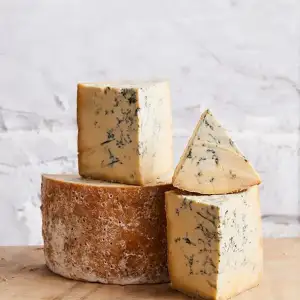
Stilton style cheese made in Northern Ireland. The flavour is both fruity and savory with a touch of blue cheese spiciness and lightly crumbly texture.
Young Buck is a pleasing cheese. Like other blues, it works very well in a salad with pears and walnuts, and it teams agreeably with a fruity accompaniment such as Sheridans Fig Compote or a slice of quince cheese.
TypeBlue, Firm
Rennettraditional
RegionCo Down, Northern Ireland
ProducerMike Thomson
Milkraw cow
Rindnatural
€9.00

Story
Mike Thomson uses unpasteurised milk from a single herd of Co Down Holstein-Friesian cows. It has a strong salty flavour and is made in the Stilton style. Young Buck has a characteristic knobbly crust with a central smooth creamy blue-veined paste which becomes chalkier and slightly crumbly towards the edges
Producer
Young Buck is a blue cheese produced by Mike Thomson of Mike’s Fancy Cheese. Supported by friends and backed by 98 investors, Mike’s now operating out of Newtownards, buying milk from a single herd and is supplying Northern Ireland with its first raw milk cheese.
Goes Well With

Prunotto Fig Compote 110g
€4.20Add to Bag
Prunotto Acacia Honey 250g
€7.80Add to Bag
Sheridans Rye & Linseed Crackers 140g
€3.70Add to Bag
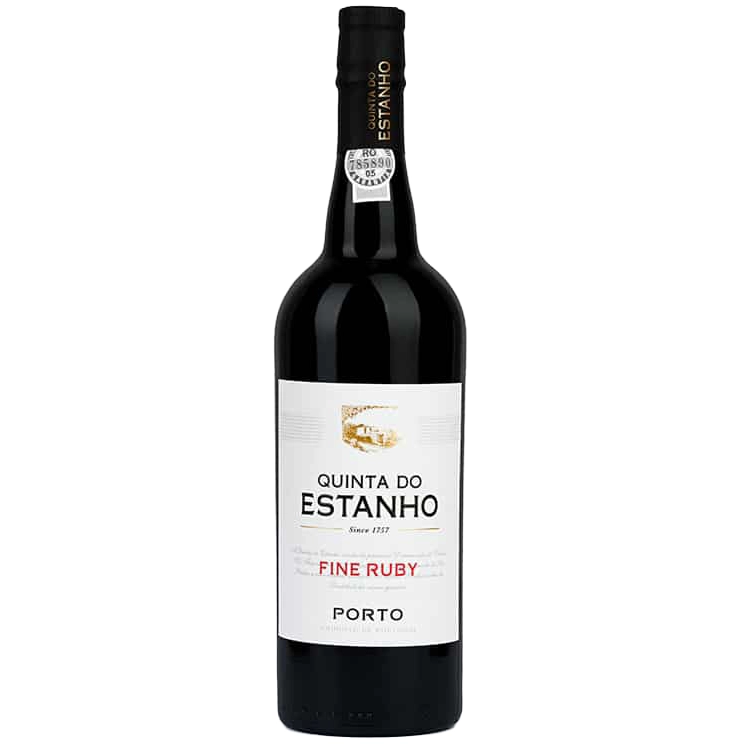
Porto Fine Ruby Quinta Do Estanho
€21.00Add to BagPorto Fine Ruby Quinta Do Estanho 375cl
€14.50Add to Bag
Porto LBV 2015 Quinta Do Estanho
€32.00Add to Bag
Porto Tawny 10 Years Quinta Do Estanho
€32.00Add to Bag






FAQs
Cheese should be unpacked and stored in a cool place, ideally around 5 degrees. Take out about an hour before serving, and allow to come to room temperature. Leaving cheese come up to room temperature (“to chambre”) allows it to develop a fuller, more aromatic flavour. Beware temperatures that are too warm (hot kitchen) and try and let the cheese come up to temperature in a relatively cool place like a cool pantry. Harder cheeses can need a little more time than softer ones.
Cheeses like cheddars that have more open texture pastes where the curd is not heavily compacted during the cheesemaking process can have occasional blue veining. Though this blueing is caused by unintentional rouge pencillium genus mould that has found its way into the cheese, it is often sought after for its contributing flavour.
Frequently, cheeses that start to grow mould while aging, in storage, or during transit can be salvaged and are safe to consume. In the case of blue/white mould that has begun to form, it can be scraped off with regular dinner knife or back of chef knife, and bloomy rind cheeses often begin to re-rind themselves on the cut surface which can just be cut off or eaten.
Spoiled cheese has some key indicators – if you get an ammonia/sour smell or taste then it goes in the bin.
Fresh, high moisture, young cheeses (think mozzarella/ricotta/mascarpone/cream cheese) that have mould growing should be discarded immediately.
Moulds that show up with black or reddish hue should be discarded.
Our primary aim is to provide delicious, quality, safe cheeses to our Sheridans customers however cheese is a living thing with an agenda of its own. If you believe your cheese (or other food item) has spoiled, please contact us immediate at online@sheridanscheesemongers.com for a replacement or refund.
Nutritional Information
Allergens Listed In Bold
Ingredients: Milk, salt, cheese cultures and rennet.
Energy 1540 kJ / 372 Kcal
Total Fat31.6
Of which Saturates 19.2
Total Carbohydrate 2
Of which Sugars <0.1
Protein 20.1
Salt 2.4g