-
×
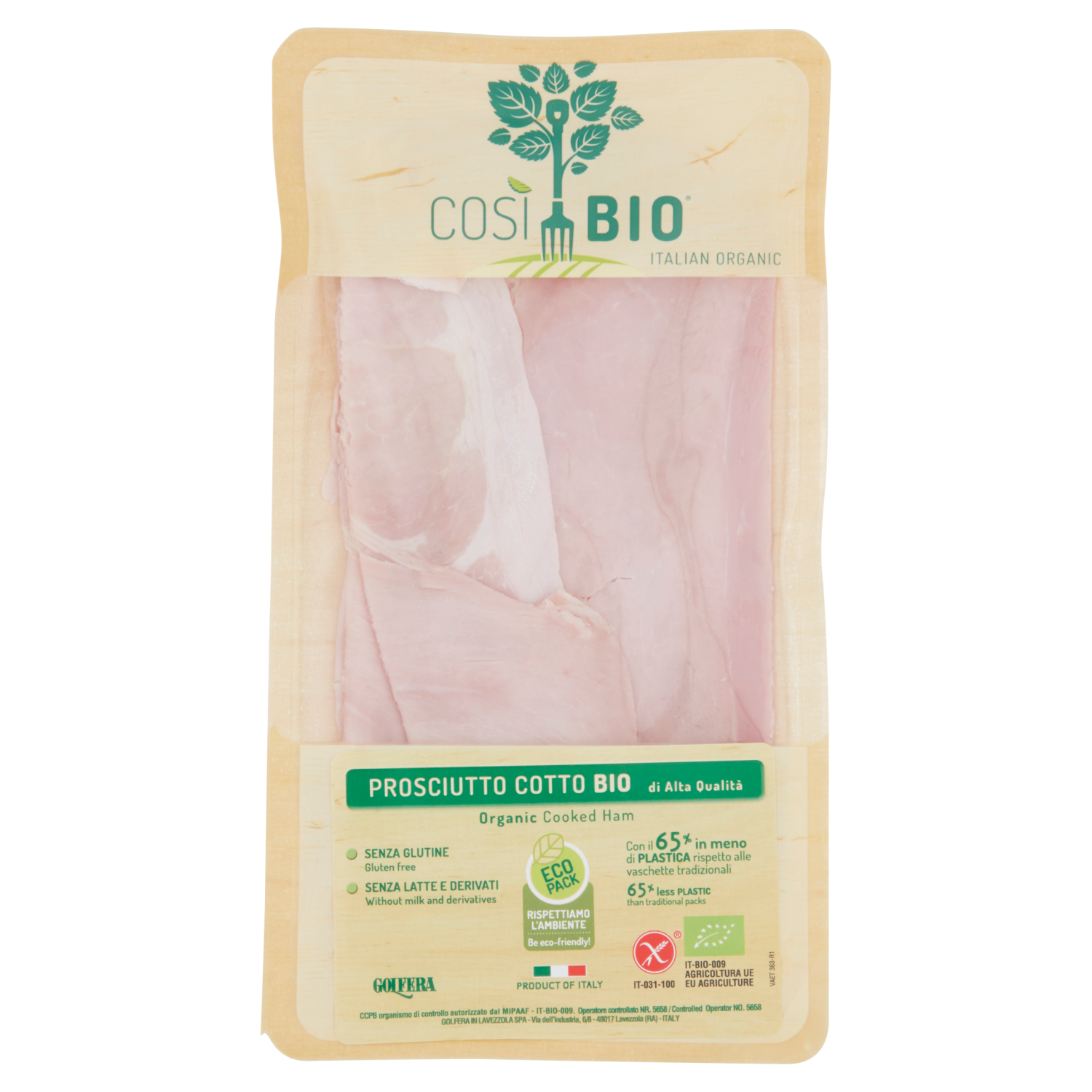
 Golfera Organic Prosciutto Cotto 80g
1 × €4.25
Golfera Organic Prosciutto Cotto 80g
1 × €4.25
Subtotal: €4.25

 Golfera Organic Prosciutto Cotto 80g
1 × €4.25
Golfera Organic Prosciutto Cotto 80g
1 × €4.25 Subtotal: €4.25


Flavours of this great Irish cheddar range depending on season and age. Wheels are frequently nutty and relatively mild, but still possess that essential cheddar tang. Young wheels can show more lactic, grassy and fresh citrusy flavours. Hegarty’s Cheddar has a firm texture but maintains a nice balanced creaminess making it a favourite in the Irish cheese family.
TypeFirm
Rennettraditional
RegionWhitechurch, Co. Cork
Producerdan and john hegarty
Milkcow
Rindnatural, cloth bound
€7.20
Out of stock
Traditionally made Irish cloth-bound cheddar from Co. Cork aged for one year. Brothers Dan and John Hegarty are the fifth generation of Hegarty dairy farmers they make their cheddar using traditional methods; milling and salting the curds by hand and wrapping the cheese in muslin and lard. This gives a cheddar with a distinct earthy flavour and a really pleasant slightly crumbly texture.
Hegarty’s Cheese dairy farm is located in Whitechurch Cork. Their 150-acre farm is home to their Friesian Dairy cows who exclusively supply the milk for their incredible cheeses. The family take on the wholistic approach of complete traceability from field to finished cheese. Dan Hegarty is quick with a joke and always a great producer to work with, full of knowledge and a good story. They understand the value of slow sustainable growth of their farm and cheese business. They gradually grew and perfected their Hegarty’s Cheddar, before developing Templegall, a landmark alpine-style irish cheese.
Cheese should be unpacked and stored in a cool place, ideally around 5 degrees. Take out about an hour before serving, and allow to come to room temperature. Leaving cheese come up to room temperature (“to chambre”) allows it to develop a fuller, more aromatic flavour. Beware temperatures that are too warm (hot kitchen) and try and let the cheese come up to temperature in a relatively cool place like a cool pantry. Harder cheeses can need a little more time than softer ones.
Cheeses like cheddars that have more open texture pastes where the curd is not heavily compacted during the cheesemaking process can have occasional blue veining. Though this blueing is caused by unintentional rouge pencillium genus mould that has found its way into the cheese, it is often sought after for its contributing flavour.
Frequently, cheeses that start to grow mould while aging, in storage, or during transit can be salvaged and are safe to consume. In the case of blue/white mould that has begun to form, it can be scraped off with regular dinner knife or back of chef knife, and bloomy rind cheeses often begin to re-rind themselves on the cut surface which can just be cut off or eaten.
Spoiled cheese has some key indicators – if you get an ammonia/sour smell or taste then it goes in the bin.
Fresh, high moisture, young cheeses (think mozzarella/ricotta/mascarpone/cream cheese) that have mould growing should be discarded immediately.
Moulds that show up with black or reddish hue should be discarded.
Our primary aim is to provide delicious, quality, safe cheeses to our Sheridans customers however cheese is a living thing with an agenda of its own. If you believe your cheese (or other food item) has spoiled, please contact us immediate at online@sheridanscheesemongers.com for a replacement or refund.
Ingredients: Pasteurized milk, Salt, vegetarian rennet, culture.
Nutritional Information: Typical values per 100g
Energy: 426 cal
Fat: 36.1 g
Of which saturates: 22.63 g
Carbohydrates: 1.28 g
Of which sugars: <0.1 g
Protein: 23.9 g
Salt: 2.09 g