-
×
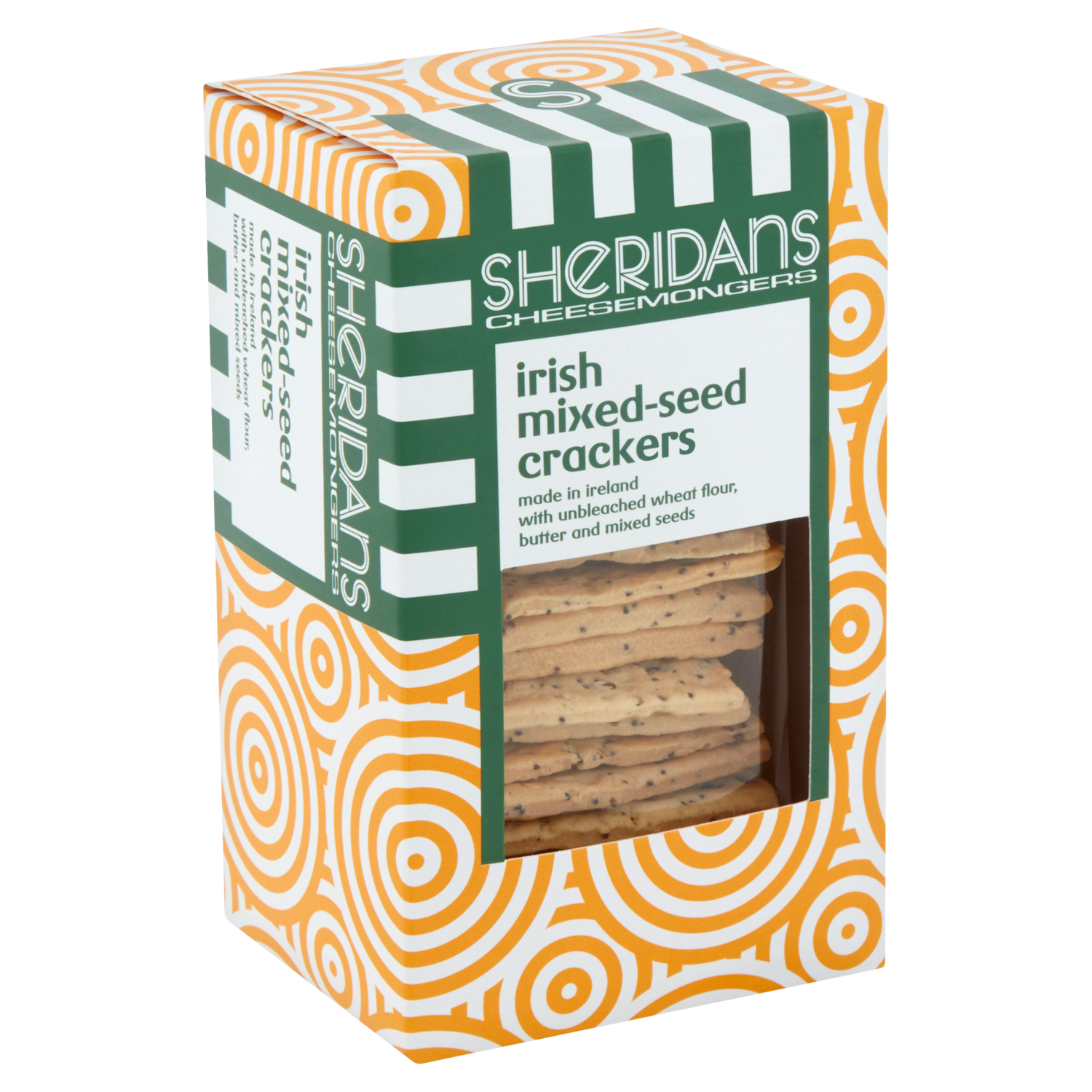
 Sheridans Mixed Seed Crackers 120g
1 × €3.70
Sheridans Mixed Seed Crackers 120g
1 × €3.70
 Sheridans Mixed Seed Crackers 120g
 Subtotal: €3.70

TypeSoft
RennetLactic fermentation ( small amount of traditional rennet permitted)
RegionBerry, France
ProducerP. Jacquin
Milkraw goat
Rindash
Original price was: €7.80.€6.24Current price is: €6.24.
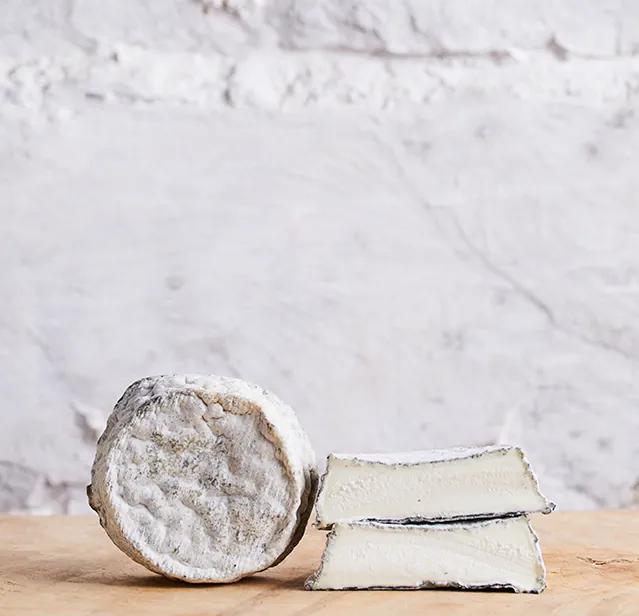
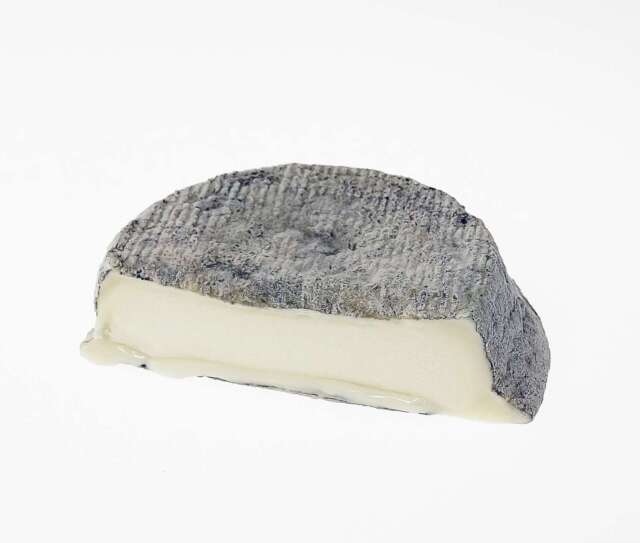
Selles-sur-Cher is a puck-shaped goat’s cheese made in a strictly delimited area within the departments of Loir-et-Cher and Indres-et-Loire in Western France. The cheese takes its name from the village of Selles-sur-Cher, which itself is named after the local river, the Cher. The AOC was awarded in 1986. Locals eat the rind, which gives the cheese a much sharper, more pronounced flavour. We love this classic Loire goat’s cheese with a Touraine Sauvignon or even a white Burgundy for a bit of contrast.
The Jacquin family began producing cheese in 1947 in the Loire Valley, France. The Loire’s rich landscape is renowned for producing some of the best goat cheeses in the world and the Jacquin family are committed to quality made PDO goat’s cheeses.

 Sale!
Sale!

Cheese should be unpacked and stored in a cool place, ideally around 5 degrees. Take out about an hour before serving, and allow to come to room temperature. Leaving cheese come up to room temperature (“to chambre”) allows it to develop a fuller, more aromatic flavour. Beware temperatures that are too warm (hot kitchen) and try and let the cheese come up to temperature in a relatively cool place like a cool pantry. Harder cheeses can need a little more time than softer ones.
Cheeses like cheddars that have more open texture pastes where the curd is not heavily compacted during the cheesemaking process can have occasional blue veining. Though this blueing is caused by unintentional rouge pencillium genus mould that has found its way into the cheese, it is often sought after for its contributing flavour.
Frequently, cheeses that start to grow mould while aging, in storage, or during transit can be salvaged and are safe to consume. In the case of blue/white mould that has begun to form, it can be scraped off with regular dinner knife or back of chef knife, and bloomy rind cheeses often begin to re-rind themselves on the cut surface which can just be cut off or eaten.
Spoiled cheese has some key indicators – if you get an ammonia/sour smell or taste then it goes in the bin.
Fresh, high moisture, young cheeses (think mozzarella/ricotta/mascarpone/cream cheese) that have mould growing should be discarded immediately.
Moulds that show up with black or reddish hue should be discarded.
Our primary aim is to provide delicious, quality, safe cheeses to our Sheridans customers however cheese is a living thing with an agenda of its own. If you believe your cheese (or other food item) has spoiled, please contact us immediate at online@sheridanscheesemongers.com for a replacement or refund.
Ingredients: Allergens in bold: Raw Goats MILK, salt, starters, animal rennet, vegetable ash
Energy (kJ/ kcal) 1166/281
Fat (g) 25
of which saturated (g) 13g
Carbohydrates (g) 1.7
of which sugar (g) 0g
Proteins (g) 19g
Salt (g) 1.6g